

In many cases, the answer is yes. Most PPO insurance plans, including Anthem, Blue Cross, Aetna, Cigna, and UnitedHealthcare, provide benefits for IOP in Los Angeles as well as higher levels of behavioral health care because of the Mental Health Parity and Addiction Equity Act.
This federal law requires most health insurance plans to provide mental health and substance use disorder benefits that are comparable to medical and surgical coverage. At Revive Treatment, we help clients verify their insurance benefits, explain available options, and guide them toward treatment that fits both their clinical needs and financial situation.
Insurance benefits can differ from one policy to another, even if two people have coverage through the same insurance company. Deductibles, copays, coinsurance, provider networks, and authorization requirements all affect what you may ultimately pay.
Our admissions team works directly with insurance providers to help remove uncertainty so you can focus on your recovery instead of paperwork.

How Insurance Benefits Apply to Behavioral Health Care
Mental health treatment has become significantly more accessible because many insurance providers recognize that timely care reduces long-term health complications. Rather than delaying treatment until symptoms become overwhelming, many plans encourage individuals to receive structured services before a crisis develops.
Coverage often depends on medical necessity. Insurance companies typically review clinical information provided by licensed professionals to determine whether a particular level of care is appropriate. This process evaluates symptoms, diagnosis, daily functioning, safety concerns, and previous treatment history.
When medical necessity criteria are met, insurance frequently covers a substantial portion of treatment costs. The exact amount depends on the individual’s policy, but many clients discover their benefits are more comprehensive than expected.
Factors That Can Influence Your Costs
Even with insurance coverage, several financial factors may affect your personal responsibility in regards to an IOP in Los Angeles.
These may include:
- Annual deductible requirements
- Copayment amounts
- Coinsurance percentages
- Remaining out-of-pocket maximum
- Network status of the treatment provider
- Authorization requirements established by your insurance carrier
Our team reviews these details before treatment begins whenever possible so there are fewer unexpected expenses later.
Each Policy Is Different
Employer-sponsored plans, individual marketplace policies, and private insurance plans may all have different behavioral health benefits. One policy may cover nearly all treatment costs after a deductible is met, while another may require ongoing coinsurance throughout treatment.
Because every plan is unique, insurance verification is one of the most valuable first steps before enrolling in care.
PPO Coverage Often Provides Greater Flexibility
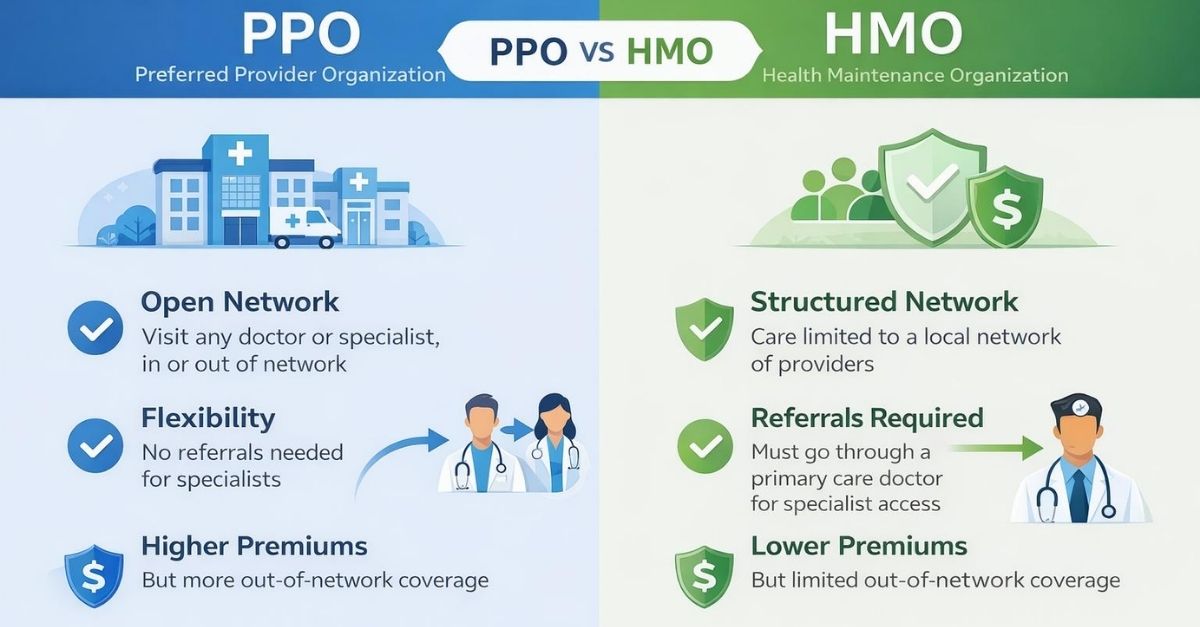
Many clients specifically seek PPO insurance because it generally offers greater provider choice than other insurance models.
With many PPO plans, members can:
- Access larger provider networks
- Receive benefits without selecting a primary care physician
- Obtain partial reimbursement for some out-of-network providers
- Have more flexibility when choosing specialized behavioral health services
These advantages often make PPO plans especially attractive for individuals seeking personalized treatment options.
HMO Coverage May Follow Different Rules
HMO plans generally operate differently than PPO insurance.
Many HMO policies require:
- A referral from a primary care physician
- Treatment within the approved provider network
- Prior authorization before services begin
- Limited coverage outside the established network
Although HMOs may involve additional steps before treatment begins, many members still receive valuable behavioral health benefits once appropriate approvals are obtained.
In some situations, insurance companies may approve services through a Single Case Agreement when appropriate care is unavailable within their network.
Single Case Agreements May Expand Your Options
Sometimes an insurance company recognizes that a member needs specialized behavioral health care that is not reasonably available through an in-network provider. In these situations, the insurer may approve what is known as a Single Case Agreement (SCA).
An SCA is an arrangement between an insurance company and an out-of-network treatment provider for a specific client’s care. While approval is never guaranteed, it can allow the insurance carrier to reimburse services at rates similar to in-network benefits for an approved period.
Several factors may influence whether an insurance company considers a Single Case Agreement, including:
- Limited availability of appropriate providers within the network
- Clinical recommendations supporting a specific level of care
- Specialized treatment needs
- Geographic accessibility
- Continuity of care considerations
At Revive Treatment, we help clients gather the information needed for insurance review whenever an SCA may be appropriate.
Out-of-Network Benefits and Superbills
Not every client receives treatment at an in-network facility/IOP in Los Angeles. Some insurance plans include out-of-network behavioral health benefits that can reduce treatment costs even when a provider is outside the preferred network.
If your policy includes these benefits, reimbursement may be available after services have been provided. The amount reimbursed depends on your insurance plan, deductible, coinsurance, and allowable rates established by your carrier.
A Superbill is an itemized document that includes diagnosis codes, treatment codes, provider information, and payment details. Clients may submit this document to their insurance company when seeking reimbursement for eligible out-of-network services.
While reimbursement amounts vary, a Superbill can simplify the claims process by providing the documentation insurance companies typically request. Our staff can explain how this process works and answer questions about the paperwork associated with your care.
Questions to Ask Your Insurance Provider
Before beginning treatment, contacting your insurance company can provide valuable information about your benefits. Having answers ahead of time may help you avoid unexpected expenses and better prepare financially.
Consider asking the following questions:
- What is my deductible?
- What is my out-of-pocket maximum?
- Is prior authorization required for PHP/IOP in Los Angeles?
- Is Revive Treatment considered in-network or out-of-network under my plan?
- What percentage of treatment costs will my insurance pay?
- Are there any visit limitations or length-of-stay restrictions?
- Do I need a referral from my physician?
- Will I owe a copayment or coinsurance for each treatment day?
- Are telehealth services covered if recommended?
- Does my policy include out-of-network reimbursement benefits?
If any of the answers seem confusing, our admissions specialists are available to help explain insurance terminology and discuss how your benefits may apply to your individual situation.
We Help Verify Insurance Before Treatment Begins
Insurance documents are often filled with unfamiliar language and complex benefit structures. Rather than asking you to interpret those details on your own, we work directly with insurance providers to verify available coverage before treatment begins whenever possible.
Our verification process may include reviewing:
- Active insurance eligibility
- Behavioral health benefits
- Deductible status
- Copay and coinsurance amounts
- Prior authorization requirements
- Network participation
- Estimated financial responsibility
This information helps create a clearer picture of your available benefits so you can make informed decisions about your care.

Personalized Guidance Throughout the Process
Every person’s circumstances are different. Some clients have recently changed employers and insurance plans, while others are using behavioral health benefits for the first time. Our admissions team takes time to answer questions, explain available options such as outpatient care, and coordinate directly with insurance representatives whenever appropriate.
We believe that financial questions should never become unnecessary barriers to receiving quality care.
Comprehensive Care Designed Around Individual Needs
Insurance is only one part of choosing the right treatment provider. Equally important is finding a program that delivers individualized clinical care in a supportive environment.
At Revive Treatment, we evaluate each client’s symptoms, history, treatment goals, and daily responsibilities before recommending the most appropriate level of care. Our programs are designed to provide structured support while helping clients continue making meaningful progress toward long-term wellness.
Depending on clinical recommendations, clients may transition through different levels of care as they improve. We also recognize that continued support beyond structured programming plays an important role in maintaining progress, which is why we help clients prepare for ongoing aftercare that supports lasting recovery.
Our licensed professionals collaborate to create individualized treatment plans that evolve as clients reach new milestones throughout their healing journey. There are many benefits to IOP treatment, as this study shows.
Begin Exploring Your Insurance Benefits Today
If you have been delaying treatment because you are uncertain about insurance coverage, you may have more benefits available than you realize. Many PPO insurance plans provide meaningful coverage for behavioral health services, and additional options may exist through out-of-network benefits or Single Case Agreements when appropriate.
At Revive Treatment, our goal is to make accessing quality behavioral health care as straightforward as possible. If you are ready to learn more about your insurance coverage for an IOP in Los Angeles, contact our team today. We are committed to helping you navigate the process with confidence while connecting you to care that supports your long-term well-being.
