
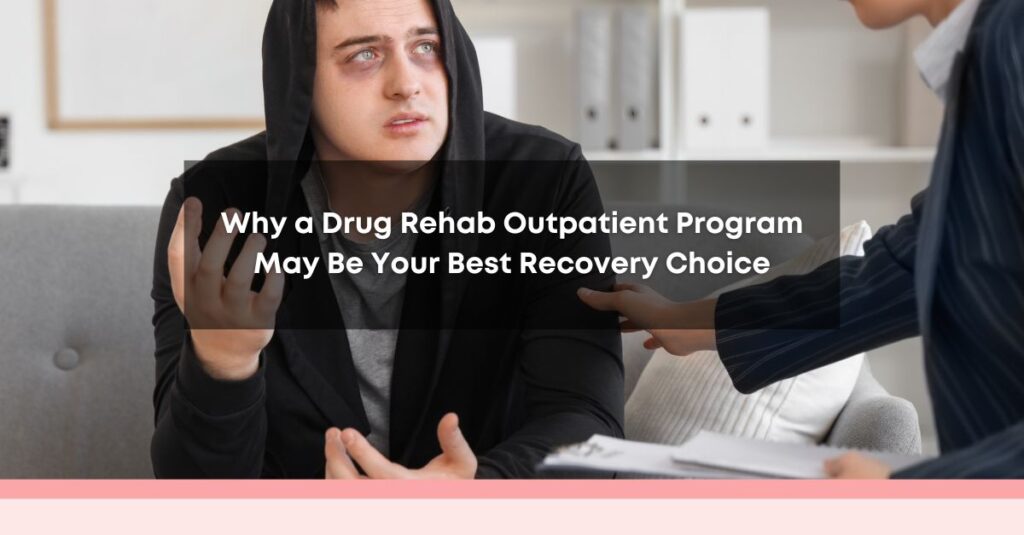
Many people believe that effective addiction treatment always requires living in a residential facility. While inpatient care is appropriate for some individuals, outpatient treatment offers a highly effective option for many people seeking flexibility without sacrificing quality clinical care. By participating in therapy while navigating everyday experiences, clients develop practical recovery skills they can immediately apply to real-life situations.
Every treatment plan we create reflects the unique needs, goals, and experiences of each individual. Our clinical team works alongside you to build healthier thought patterns, improve emotional wellness, and help you establish lasting habits that support lifelong sobriety.

How Does a Drug Rehab Outpatient Program Promote Real-World Recovery?
One of the greatest strengths of outpatient treatment is the opportunity to practice recovery skills where they matter most: in everyday life. Rather than waiting until treatment has ended to face daily challenges, clients work through them while receiving continuous professional support.
Our drug rehab outpatient program allows individuals to attend scheduled therapy while maintaining many of their regular responsibilities. This combination of structured care and daily experience helps reinforce healthy decision-making in practical settings.
Instead of learning recovery in isolation, clients immediately apply new strategies while interacting with family members, coworkers, classmates, and friends. This study shows how outpatient care can make a real difference.
Recovery Skills Become Daily Habits
Long-term sobriety develops through repeated healthy choices. Each day provides opportunities to strengthen new behaviors while replacing old patterns associated with substance use.
Our therapists help clients develop techniques that can be used in a variety of situations, including:
- Managing emotional stress
- Responding calmly during conflict
- Handling unexpected triggers
- Building healthier communication habits
- Maintaining personal accountability
- Improving emotional awareness
The ability to practice these techniques outside the therapy office helps clients gain confidence as they experience positive outcomes in their everyday lives.
Between appointments, many individuals recognize meaningful improvements in their ability to manage difficult situations without relying on drugs or alcohol.
Personalized Care That Evolves With You
No two recovery journeys look alike. Personal history, family dynamics, mental health concerns, and recovery goals all influence the treatment process.
Our clinical professionals complete a comprehensive assessment before developing a customized care plan. As clients continue progressing, treatment recommendations can be adjusted to reflect new goals or emerging challenges.
Your individualized plan may include:
- Individual counseling
- Group therapy
- Family therapy
- Relapse prevention education
- Trauma-informed therapeutic approaches
- Mental health support
Evidence-Based Therapy Supports Lasting Change
Effective addiction treatment goes beyond simply encouraging abstinence. It helps individuals recognize the thoughts, emotions, and behaviors that contribute to substance use while developing healthier alternatives.
Our therapists use cognitive behavioral therapy and other evidence-based approaches that encourage lasting behavioral change through self-awareness and practical skill development.
Clients often work toward:
- Identifying unhealthy thinking patterns
- Strengthening emotional regulation
- Developing healthier coping methods
- Improving self-confidence
- Reducing impulsive behaviors
- Building resilience during stressful situations
As these skills improve, many individuals experience healthier relationships, greater emotional stability, and increased confidence in maintaining sobriety.
What Advantages Make Outpatient Addiction Treatment More Accessible?
Many people delay seeking treatment because they worry about interrupting work, education, or family obligations. Outpatient care removes many of these barriers by allowing treatment to fit into existing schedules.
Our drug rehab outpatient program provides flexibility without compromising the quality of care clients receive.
Because individuals continue living at home, they can often maintain important responsibilities while participating in therapy throughout the week.
Some benefits include:
- Flexible appointment scheduling
- Continued employment
- Ongoing educational participation
- Daily connection with supportive family members
- Lower overall treatment costs than residential care
- Greater privacy throughout recovery
These practical advantages make treatment more attainable for many people who are ready to begin making positive changes.

Continue Building Your Future During Treatment
Recovery should strengthen your life rather than pause it.
Many clients appreciate the opportunity to continue advancing their careers, completing educational goals, and fulfilling family responsibilities while participating in treatment.
Balancing therapy with everyday commitments also helps individuals develop confidence in maintaining sobriety under real-life circumstances.
Rather than delaying personal growth, outpatient treatment encourages progress across multiple areas of life simultaneously.
For clients who benefit from additional weekly structure while maintaining the ability to live at home, our Intensive Outpatient Treatment services provide expanded therapeutic support designed to reinforce recovery through more frequent clinical engagement.
A Structured Environment Without Residential Living
Outpatient care offers consistent accountability while allowing clients to remain in familiar surroundings.
Regular therapy appointments create opportunities to review progress, discuss obstacles, celebrate accomplishments, and refine recovery goals. This ongoing guidance helps clients remain focused while continuing to build healthy lifestyles within their own communities.
Our drug rehab outpatient program combines flexibility with professional oversight, allowing individuals to receive meaningful treatment without stepping away from every aspect of daily life.
Why Is Family and Community Involvement Critical in Outpatient Rehab?
Recovery often becomes stronger when it is supported by healthy relationships. While personal commitment is essential, encouragement from trusted family members, peers, and clinical professionals can create an environment where lasting change feels achievable. At Revive Treatment, we encourage clients to build positive connections that reinforce the progress made throughout treatment.
Family Participation Can Strengthen the Healing Process
Substance use disorders frequently influence household dynamics, communication patterns, and emotional well-being. Family members may have questions about recovery or struggle with challenges that developed during active addiction.
When appropriate, family therapy creates a supportive setting where everyone can work toward healthier interactions. These sessions may help participants:
- Improve communication skills
- Resolve long-standing conflicts
- Establish healthy boundaries
- Learn productive ways to offer encouragement
- Develop realistic recovery expectations
- Rebuild trust over time
As relationships become healthier, many clients discover they have a stronger support system waiting for them outside each therapy session.
Positive Social Connections Encourage Accountability
The people you spend time with can significantly influence your recovery experience. Building relationships with individuals who support a substance-free lifestyle helps reinforce healthy decisions and provides encouragement during difficult moments.
Many clients benefit from participating in local recovery communities, peer support groups, and sober activities that align with their personal interests.
Healthy support networks may include:
- Trusted relatives
- Close friends committed to your recovery
- Recovery peers
- Licensed therapists
- Alumni from treatment programs
- Community support groups
These relationships provide encouragement while helping clients remain focused on their long-term recovery goals.
Healthy Home Routines Reinforce Daily Progress
Outpatient care allows individuals to make meaningful changes within the environment where they spend most of their time. Instead of waiting until treatment ends to develop healthier habits, clients begin reshaping their routines immediately.
Small daily decisions often contribute to long-term success.
Examples of healthy routines include:
- Preparing balanced meals
- Following consistent sleep schedules
- Exercising regularly
- Scheduling recreational activities
- Practicing relaxation techniques
- Limiting unnecessary stress
- Spending time with supportive people
These habits complement the therapeutic work completed during counseling while helping clients establish greater stability throughout daily life.
For individuals who require a higher level of clinical support before transitioning into outpatient services, our Partial Hospitalization Program offers structured daytime treatment designed to promote continued progress while preparing clients for greater independence.

Staying Engaged With Professional Support
Recovery continues to evolve as life changes. Career opportunities, family responsibilities, and unexpected stressors may introduce new situations that require additional guidance.
Our drug rehab outpatient program encourages clients to view recovery as an ongoing process that grows stronger through consistent effort and continued support.
Maintaining communication with experienced clinicians helps clients continue strengthening the skills developed throughout treatment. Therapy remains a valuable resource for addressing new challenges while reinforcing healthy coping strategies.
Continuing Care Helps Sustain Long-Term Recovery
Completing an outpatient program represents an important milestone, but maintaining sobriety involves continuing to apply the skills developed during treatment.
Many clients benefit from remaining connected to recovery-focused resources after completing their primary treatment plan. Ongoing support provides opportunities to celebrate achievements, address emerging concerns, and maintain accountability while navigating new stages of life.
Our aftercare services help clients continue building upon the progress they have already achieved. Continued guidance can strengthen confidence while providing additional resources as individuals move forward in recovery.
Building a Lifestyle That Supports Sobriety
Recovery extends beyond avoiding substances. It also involves creating a fulfilling lifestyle that supports emotional wellness, personal growth, and meaningful relationships.
Many individuals discover new interests as they progress through treatment, including volunteer work, fitness activities, creative pursuits, educational opportunities, or spending quality time with family. Filling life with rewarding experiences often reduces the desire to return to unhealthy habits.
Our clinical team works closely with every client to help identify goals that align with their values and future aspirations. Whether someone hopes to strengthen family relationships, advance professionally, improve emotional health, or establish greater personal stability, treatment is designed to support lasting progress.
Our drug rehab outpatient program provides the structure, flexibility, and compassionate clinical care needed to help individuals overcome addiction while remaining actively involved in their everyday lives.
